Living in your twenties feels like constant pressure to make the right decision. Which career to follow, what class to take, where to move. You finally decide on a city to move to after college. But for how long? Two years sounds like a good plan, and then I can move? But I hate to move. Live in the city while you’re young, but it’s expensive so you could save for your future and commute in. What if I traveled for a few months? I should do that, but with what money ? I need to find a good job. The circles of thoughts and contradictions. Constantly feeling like every step is momentous.
It is a Saturday at 10:12 AM. The decision fatigue starts to stir. You are staring at your oven clock, ticking minute after minute. You think to yourself about how you feel like you might be the palest you have ever been, spending each and every day indoors working at your 9-5, or working towards your career indoors, looking at screens until your eyes force you to close your laptop. The decision is between checking an item off your list of chores, or going outside. You think to yourself, well I could get ahead for my week! Why don’t I go ahead and do one chore. But only one,and then you will go outside.
You begin cleaning, not sure if it is stress or striving for that feeling of accomplishment, but you reach a flow state. Y
Then, you pick up your head and realize I haven’t checked my phone in awhile. What if my family tried to reach me ? The lock screen reads 1:34 pm. Suddenly, you are acutely aware of how empty your stomach is. Do I cook some food before I head out? Except, you think, I did just clean the whole kitchen so why would I dirty it. I should probably bask in the fact that my kitchen is pristine right? My laundry is done and my bathroom spotless. My chores are done but I have to check my emails! How could I forget! The list of things I wrote in my planner remain unchecked. There is so much to do, I open my laptop and hunker down.
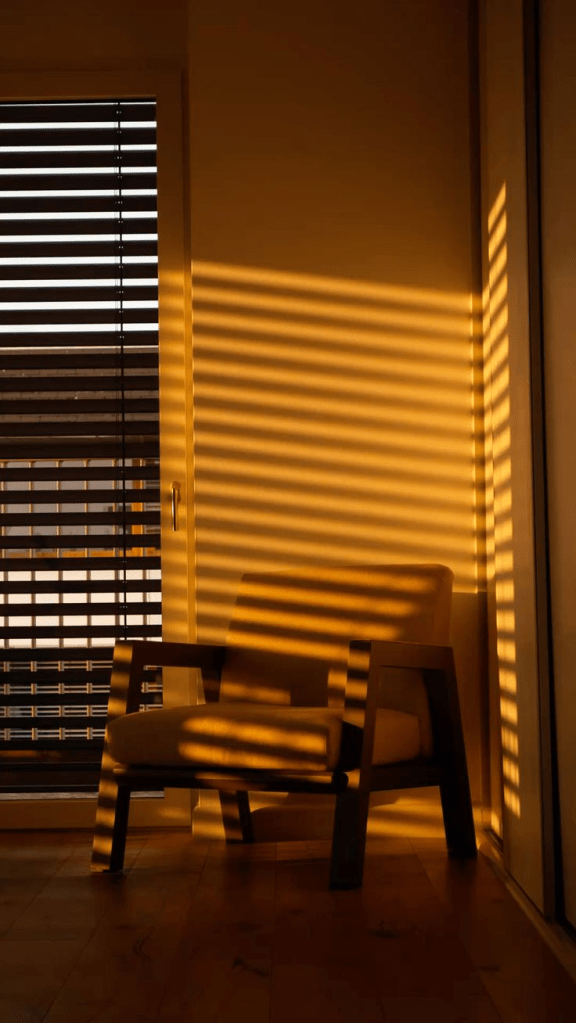
As the sun moves on, the patches on the floor of light grow smaller. It is 2:19 on a Saturday. The day is young, but now I am tired. I regret not making the decision to go outside and now know I have to eat something. I have to decide what I should eat and what to do next.
note: i wanted to write about the experience of over-thinking big and small. not sure if this is a shared feeling but it had me thinking
what to expect: brief opinionon the movie score of the odyssey
This past weekend I went to see the highly-anticipated Christopher Nolan film, “The Odyssey.”
The Oscar-winning British Director is known for dark, intricate story telling — The Dark Knight, Interstellar, Inception, and more recently Oppenheimer, among others. His complex era-defining movies have built a reputation of spectacle. Few directors can draw an audience at the scale he does, with his name enough able to fill the seats of a theater. This track record has raised expectations of many, myself included.
Nolan took on the story of “The Odyssey,” created over 2,500 years ago. The ancient Greek poem alongside several translations helped Nolan write the script for the film. Creating a film of an ancient epic that is palatable to modern audiences is no small feat. As classics enter cinemas in the 21st century, it feels as though the general public has grown increasingly critical. One such story, Wurthering Heights, by Emily Brotë was done this year by director Emerald Fennell. The film faced wide spread criticism, with dedicated fans of the book speaking out and some going so far as protesting watching it all together. The movie had commentary of Fennell’s interpretation, which is something to expect from the beloved story. Classics that are re-created today are critiqued in nearly every scene and with every decision. Every detail is scrutinized, comments made about the casting, the dialogue (particularly the use of “dad”), or even the volume. All details, from the ones emphasized or the details omitted.
Nolan’s Score
One element that I was particularly excited for was the music. The score of a movie is specifically written to accompany a film. The music enhances the narrative and emotion of all scenes and is a critical element to a movie experience.
Many of Nolan’s previous films have been scored by Hans Zimmer. The German composer has scored 150 films, blending electronic sounds with traditional orchestral elements (Bach 2025). I regularly listen to songs from his films, with some standouts being the iconic “Cornfield Chase” from Interstellar and “Now We Are Free” in Gladiator.
Christopher Nolan’s scoring style shifted in his recent films when Swedish musician, composer, and producer Ludwig Göransson took over from long-time collaborated Hans Zimmer.
Göransson had his feature debut in Ryan Coogler’s “Fruitvale Station” (Warmann n.d.). The duo, who were college roommates, collaborated to create the “Black Panther,” which earned an Oscar for “Best Original Score.” This movie (one of my favorite movies and scores of all time), answered questions in Göransson’s words “how do you find the balance between the tradition and future and Afrofuturism and how do you do that in music? (Reid & Paul 2023).
Göransson collaborated with Senegalese musicians Baaba Maal and Massamba Diop. Göransson travelled to West Africa with Maal who was on tour in north Senegal. Göransson travelled in and around small villages listening to music for many nights (Reid & Paul 2023). The score also featured Kendrick Lamar, a celebrated artist known for his lyrical genius and cultural influence.
Like Nolan, Göransson has built a reputation, and no doubt rose to the occasion in “The Odyssey,” the third score with Nolan.
The Film Score Itself
My first impression of the score was that it was slightly underwhelming. Whether that was due to my focus on the film’s content, scenery, or characters, I was utterly wrong about the score. Music has a profound impact on movies and it did in this film. I didn’t find the music as particularly central, but I think that is the beauty in the work. The music didn’t take a dramatic center stage, but it progressed the story forward and immersed the viewer into the world that Nolan intended.
Nolan specifically requested for Göransson to not have an orchestra. Seen in the video below, he was challenged with creating a score that fit a period that is so far removed from us. Ludwig worked alongside historians to create a soundtrack that resembled life in Ancient Greece.
After doing some research and giving the score a listen outside of the theater, I was taken back to the day in the cinema. It is worth mentioning that the film itself, in my opinion, was one of the most beautiful and profound I had ever seen. The film left my friends and I quite shocked, chatting for hours after with bowls of pho. We spoke of the armor, the acting, the shots, the lack of CGI. We could go on and on about the craft that Nolan has…From the minor details to the major plot points, we could not get over it.
Listening on my commute to work, I had that same feeling. Deep sense of appreciation for the art and the emotion that came from the highs and lows of the film.
Göransson was able to create that without the instruments and sounds that he and viewers have grown accustomed to. He created music to match the grandiosity of the film using harps, strings, flutes, vocals, and various bronze gongs. The dark elements as well as the light, follow the emotions of the film.
A Few Songs Worth Mentioning
“Zeus’s Law,” the first song in the score features a bard, played by Travis Scott. He recites the epic tale of Odysseus’ journey. With the sound of his staff on the table, shots of various landscapes come across the screen. The music builds the event and anticipation, almost making the viewer nervous as to what is to come. Later,”Troy” has a fastened pace, sounding like an fastened heart beat. The song creates a sense of energy and adventure, alongside tension and anxiety. Both songs are used alongside the stories obstacles and character hardships, providing rugged and dark backgrounds as the movie progresses.
Conversely, “Chasing the Escaping Sun,” is a breath of fresh air. It is smooth and peaceful piece, but also powerful. It is inspirational, using soft high vocals and harmony alongside a dramatic drum. The final end credit song “When I’m Home,” with James Blake and Travis Scott which has beautiful vocals to wrap the movie adding to the sadness that the movie is over.
“The Odyssey,” filled me with emotion and thought. The powerful story was enhanced by the score, crafted by Ludwig Göransson. I plan to watch it again to catch further details in such a layered, intricate film and score.
Have a listen below. Read an amazing interview here.
what to expect: a conversation of walkable cities in the united states, a discussion of cities in general, and the benefits of walkability
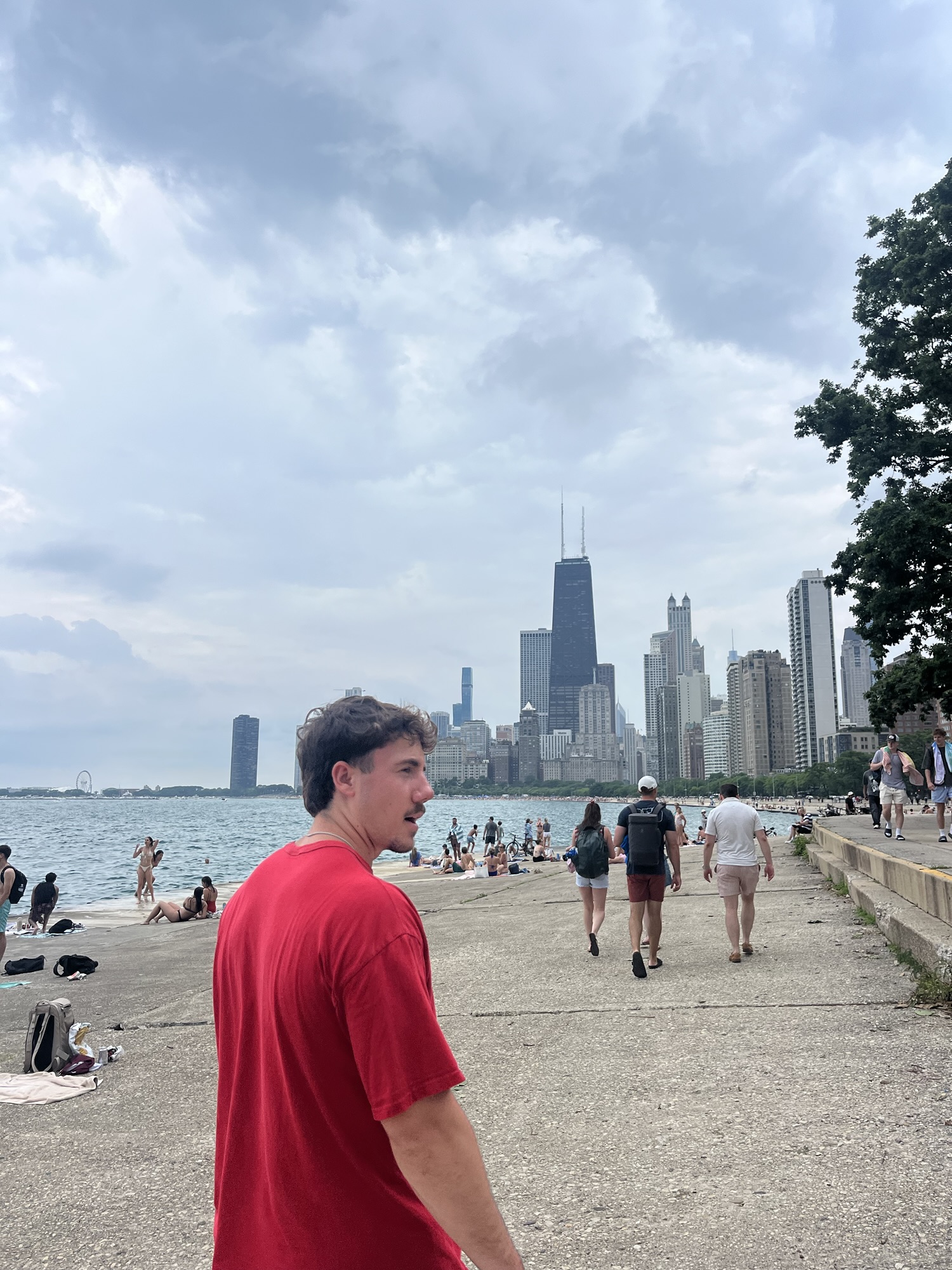
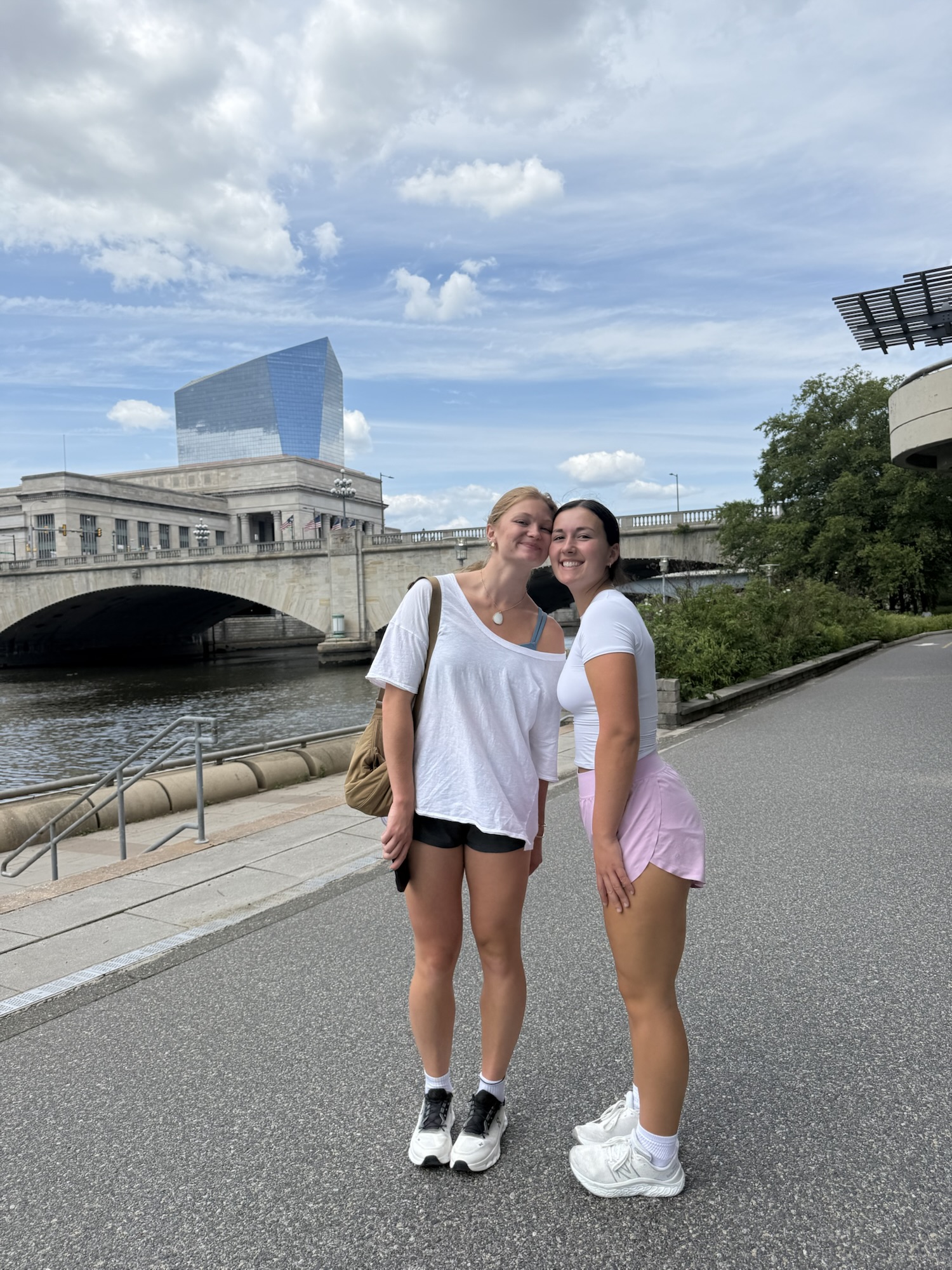
July 1st marks my first year of living in Philadelphia.
Before Philly, I spent my childhood in the suburbs. Other than the occasional trip into Boston, my lifestyle revolved around the car. I drove to see friends, to get to the store, or to get to school. Some of my friends lived over 25 minutes away, which then felt like nothing. For college, I lived in Pittsburgh, Pennsylvania. The city is somewhat walkable, but I always felt that neighborhoods were split up by major roadways and traffic. Because of this, I had a car to easily travel to activities, friends, and my part-time job.
Now within Philadelphia, I only walk or take public transit. I have grown accustomed to a completely new lifestyle without fully realizing it. I had never really thought about how different life became, until I went to Dallas for work. Dallas had it’s charm. It had great food, kind people, and some great spots to go with friends. However, there was not one thing during my week in both Plano and Dallas that I could access on my own two feet. After 5, 10, 15 ubers were ordered, I thought to myself, I have spent more time in a car in the last few days than I have in the past few weeks, even months, in Philly.
It was one of those moments, like in the gym, when you don’t see your progress day to day, until you see a photo of yourself from months before. I grew up loving to drive. I still think fondly of the rides with my friends, with the windows down and music so loud that today I would wince. I remember thinking I would never live in a city. I loved driving with my friends, I appreciated the convenience and the independence. I realized I didn’t necessarily love driving, it was that my lifestyle required it. Like any city, Philadelphia has it’s issues. But I am forever thankful that I have been introduced into the lifestyle that comes with walkability.
Walkable Cities as a Campaign Promise
The former Mayor of Paris, Anne Hidalgo, ran for re-election in 2020 with aims of making Paris a 15-minute city. The term, originally coined by Carlos Moreno, a professor at the Paris Sorbonne Business School, was a simple concept: build cities that people can walk, bike, or public transport within 15 minutes to all essential services (Gongadze et al. 2023). Mayor Hidalgo had initiatives around this idea, so that Parisians could have a better quality of life, while being climate-conscious. Her plans involved removed 60,000 parking spots, prioritizing bike lanes, and promoting local business (Speck 2024).
After she was elected, the city transformed. By 2023, the city had 1,000 kms (621 miles) of biking routes (Gongadze et al. 2023). The city established local community spaces for the neighborhoods, with nurseries and open school yards open on the weekend (Gongadze et al. 2023). This would spark conversations and urban redevelopment across the globe.
Jeff Speck is an American city planner, writer, and global advocate for walkable cities. With a Masters of Architecture from Harvard and Masters of Fine Arts from Syracuse University, he has co-authored “Suburban Nation,” that explores post-WWII suburban development that led to negative outcomes for the US, such as isolation, traffic, and environmental issues. During a TED talk with host Manoush Zomordori, titled: How can more U.S. cities become more walkable? Here’s one urban planner’s approach,” Speck spoke of the benefits of a walkable city. He led discussing Paris and Anne, and continued into how Portland, Oregon is a model for walkability for the United States. “Portland made a bunch of decisions in the 1970s that began to distinguish it from almost every other American city” (Speck 2024). Portland used a “skinny streets program”, an urban planning approach where streets are created intentionally narrower. This has been seen to cause cars to drive slower and safer, as they navigate the streets. While other cities created large roads and highways, Portland invested in walking and biking infrastructure. They spent $60 million on bike facilities over 30 years. The impact, according to Speck, is the average person drives 20% less than the rest of the country, with their vehicle miles traveled per day peaking in 1996 and dropping ever since.
Other cities in the United States are attempting to become more walkable, but this is no small feat. You need budget, leadership willingness to make the change, and a large shift in behavior. Speck explains there is criteria for people to choose walking over driving: it must be useful, safe, comfortable, and interesting.
Usefulness: Is there housing downtown in the city? Are the offices and job opportunities walking distance from housing? Creating a mixed-used district.
Safety: Infrastructure, highway design and city design (think bike lanes, side walks, accessbility).
Comfortable: Speck introduced both the concept of spatial definition and prospect refuge. Spatial definition is … Prospect refuge is the desire to see threats and feel safe from attack.
Interesting: are there doors/windows into businesses and sight into human activity, parks and recreational facilities. Humans are social primates, “nothing interests us more than other humans” (Speck 2024).
The Love of the Car
The behavior shift is not simple, Americans love their cars. The size of the average car is growing at a rate of 1 cm every two years (Transport & Environment 2024). People are increasingly buying sport utility vehicles (SUVs) and light truck vehicles (LTVs) that have higher and blunter front ends that make them more dangerous. One meta-study found that if an adult pedestrian was struck by an SUV, they were 44% more likely to be killed than if the vehicle was a smaller car. For children, it rose 82% higher. Read more about the shift in car size and its implications here.
It is hard to say whether people truly prefer their cars, or how much of it is due to always being car dependent. Car dependency has become an American norm. In 2021, 91.7% of American households own at least one car and 80% of people feel they have no other option but to use a car (Stahl 2025). The problem is more than just the cars, it is that we have designed our society around them.
Providing proper public transit allows for increased accessibility across the city, while also providing alternatives that produce less emissions. It needs to be frequent, reliable, and easy to use for people to use as an alternative to automotive travel. Only 1.5% of total trips taken in the US are on buses or trains (Bureau of Transportation Statistics, 2026). One article titled “How car-loving American cities fell so far behind their global peers on public transit” written by Oliver Milman, explored American cities transportation. There is a need for public transit in order to have walkable cities. Milman introduced one study by Transportation for America, that compared Transit vehicles per 100k inhabitants against the cities population. This was plotted and displayed with the world-class average included, as well as the United States average as benchmarks. See the image here.
The United States has fallen behind cities around the world where people can rely on extensive, high-quality public transport to get around.
Oliver Milman
Cities as Engines of Innovation & Opportunity
In the 1950s, interstate highways began to cut through major cities and prioritized ease for drivers. The roads spread throughout the country and “plowed into the heart of cities, severing communities, and attracting traffic, prompting the widening of these highways, which then spurs even more traffic” (Milman 2026).
Ezra Klein and Derek Thompson wrote and published Abundance in March of 2025. The book explores America’s primary problems, going into topics such as the housing crisis, climate change, and the lack of wage growth. In chapter one, Klein and Thompson specifically discuss how cities should be “where wealth is created, not where wealth is displayed.” But cities have become unlivable with “super star cities” or cities that drive the economy, requiring people to commute for hours just to work there. New York City has become a high-end or luxury product. One economist, Ed Glaeser with Harvard University published research about how New York City wages in the 1980s were unusually high compared to cost of living, meaning people benefited from moving to the city. However, after 2000, moving to New York City meant taking a “pay-cut,” as it has become so expensive to live there. Klein and Thompson argue that cities have stopped working as engines of economic mobility for the average American.
They continued to discuss just how important cities are, from Ed Glaeser’s book Triumph of the City (2011), “Americans who live in metropolitan areas with more than a million residents are, on average, more than 50 percent more productive than Americans who live in smaller metropolitan areas.” This statistic held true even when controlling for education and skills. Cities form communities of interest and industry, which are hard to replicate. Thomson and Klein summarize the idea well when they wrote, “Why not build your AI behemoth somewhere nice to live like Maui or Bali…In theory this arrangement should be possible anywhere. In practice the frontier of ideas is best breached by people who know each other well and work with each other closely, and move between different companies with different cultures and specialities smoothly” (Klein and Thompson 2025). Companies and jobs will continue to place their offices in the places that have the talent and knowledge they seek.
As cities become more expensive, people are only able to move to the city comfortable if they have lucrative jobs with high-salaries. With two thirds of jobs in the American economy being the local service sector (think nurses, hair stylists, or real estate agents for example), people are unable to try other jobs as easily. This decreases upward mobility, as people are forced to stay in a location with less opportunity, or as Klein and Thompson refer to it as an “economically stagnant zip code” (2025). Further, workers with lower salaries are being forced to move out of the city, which pushes them out of areas with different opportunities. This perpetuates income inequality, as people are pushed further from higher paying job opportunities. Proximity is important, because networking and exposure is important. In Klein and Thompson’s words, people are products of place. With the shift of lower income people being forced out of cities people are forced to live in even less accessible and walkable areas.
The Benefits of a Walkable City
The most obvious benefit to a walkable city is physical health. I have experienced first hand the benefits of a lifestyle built around walking. I don’t have a car, so it is built into my day to day. It is built naturally into my day, for groceries, appointments, or to see friends. In the suburbs, It is built into my day to day, walking to the grocery store, to see friends, or to doctors appointments. When I first began to track my steps, when I was in the suburbs my steps came from a conscious effort to get them during my day. Walking in the city provides easy movement into a persons day. One study of California cities found that walkable cities were correlated with lower obesity, diabetes, asthma, and heart disease (Piatkowski & Garrick 2015). As physical activity is a critical determinant for health and well-being, having a lifestyle that involves walking provides benefits to residents.
One study led by a cross-disciplinary team of Stanford researchers found that a cities walkability impacts the physical activity levels regardless of individual demographics or habits. They used date from 5,400 Americans who relocated between cities with varying walking scores. They found that those who moved to more walkable cities walked on average 1,100 steps more per day. This showed that people, regardless of how active they were already, have shifts in physical behavior (Hamilton 2025). Walking has significant benefits, with numerous studies as evidence.
Cities that prioritize walking over driving will reduce carbon emissions. Shifting from cars to public transportation and walking can reduce up to 2 tons of carbon emissions annually per individual (United Nations, n.d).1
Additionally, walking makes me interact more with my community. Rather than taking a car to and from work, I take the train. Walking to the train and in the station, I run into various people in the city or who I work with. Being around people leads to more social interactions throughout my day. By walking, I have more time spent outdoors, especially being in a city with ample parks and walking trails. Within walking distance there are countless local businesses, stores, coffee shops, and new food. I am able to explore various neighborhoods and have a naturally active lifestyle. With the city at my fingertips, new people and experiences are too.
Piatkowski, D., & Garrick, N. (2015). Community design, street networks, and public health. Journal of Transport & Health, 1(4), 326–340. https://doi.org/10.1016/j.jth.2014.06.002
Ray, J., Fleming, B., Higashide, S., Mangan, E., Lample, K., Lillehei, X., Noisecat, J., McElwee, S., & Aldana Cohen, D. (2020, March). Voters want a better transit system for America. Data for Progress; Ian L. McHarg Center for Urbanism and Ecology; Transportation for America; TransitCenter; Socio-Spatial Climate Collaborative. https://www.filesforprogress.org/memos/gnd-for-transit-polling.pdf
Zomorodi, M. (Host). (2024, March 22). How can more U.S. cities become more walkable? Here’s one urban planner’s approach [Radio broadcast transcript]. NPR. https://www.npr.org/transcripts/1239552997
Ungvari, Z., Fazekas-Pongor, V., Csiszar, A., & Kunutsor, S. K. (2023). The multifaceted benefits of walking for healthy aging: From Blue Zones to molecular mechanisms. GeroScience, 45(6), 3211–3239. https://doi.org/10.1007/s11357-023-00873-8
Recently, I saw the words “create more than you consume.” Five words that have come back to my mind many times since I saw it the first time.
Today, you can effortlessly enter another’s world. Turn on your television, and join Frodo Baggins on a journey with the hills of New Zealand behind him. James Bond, driving an aston martin down the windy streets of Rome. Hans Solo commanding the Millennium Falcon. You can travel through time, feel fear, or see space. An escape from reality. Movies, television, and now social media are constantly provoking us. Shows consistently end of a cliff hanger, eerily successful at making us binge watch.
Now, do not get me wrong, I appreciate the arts. Movies, television, and social media are a valuable art. They are culture. They are not inherently bad. It brings us together and in some cases drives us apart. But all things must be in moderation. I remember seeing that quote, “create more than you consume,” and I began to think about the amount of time I have spent watching content. Comparing the hours on various devices, was honestly quite similar or even more than actual living. Living, to me, is off electronics: trying a new hobby, eating with friends, going on trips, or going on hikes for example.
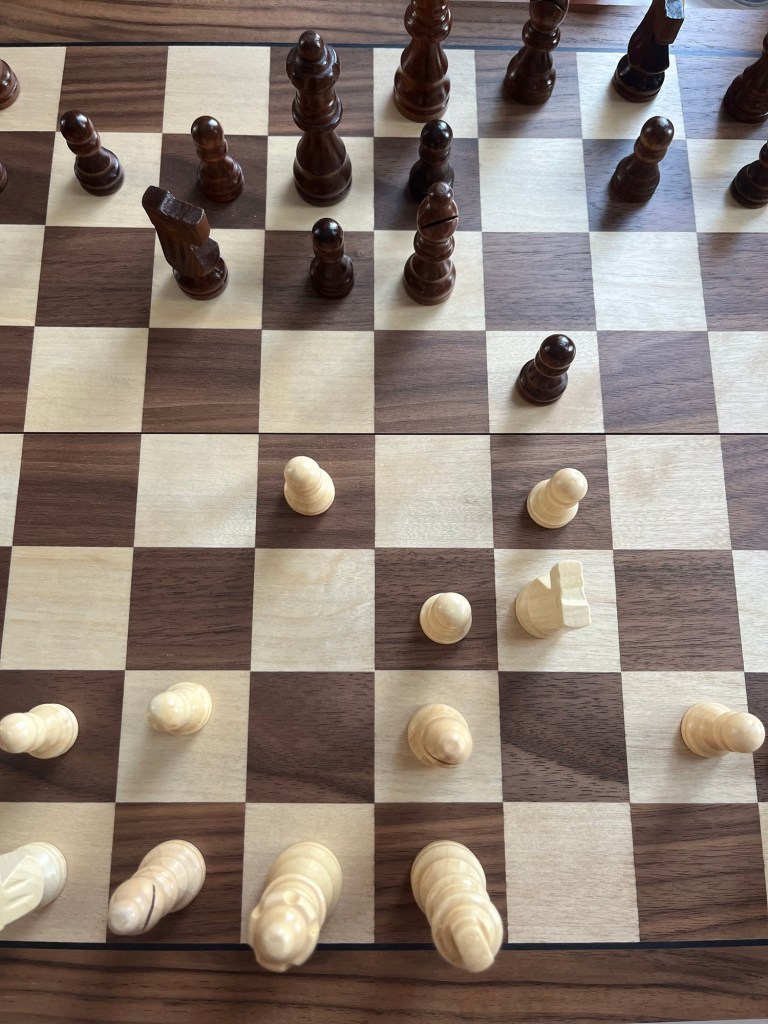
I was consuming others living adventurous lives, but my life was the price. I will never not enjoy movies and television. But that alongside social media made me realize that I consume others’ lives more than my own. When I began to realize that, I decided to try to take back control. I took initiative, planned dinners and themed events with friends. I began to read and write. I bought my first chess board and a tennis racquet. Over the next few months, I began to add little hobbies into my life. I strive to live my own life, and I think all people should think, do I create more than I consume?