
what to expect: my thoughts on friendship as a 23 year old, with a lot of stuff still left to learn but with some life experience and a bit of research
If I were an older sister, I would have a lot to say about friendship. These are my thoughts.
But before I begin, I wanted to make one quick point. My writing on friendship is not intending to convince you of one decision or truth. My aim is to offer some research and reflection that I had on what friendship is and what I have learned so far. The questions I ask myself, and rabbit holes I took in this process, brought me to so many different conclusions. This writing can spark thoughts you might have, or opposing opinions, and that is the beauty of the discussion.
With that said, let’s chat 🙂
What does friendship mean to you?
I would be so lost without my friends. All my friends have pushed me in one way or the other. Some friendships have grown me in the direction of success. They have helped me learn about myself, through vulnerable conversations of my insecurities and my upbringing. They have allowed me room to talk about my goals in life, and pushed me to achieve them. They have shown up, when I needed to be celebrated, and cried with me when it felt like I might just fall apart. I am so thankful for the many people who have filled this role in different chapters in my life.
Even my harder or harsher friendships have taught me something about myself. Whether I had to end a friendship or someone stopped wanting to be friends with me, the conflict made me the person I am today and how I choose to show up in my relationships. My friend “break-ups” allowed for moments of reflection and contemplation on why it might have happened. Although it can take weeks, months, or even years to understand, they are an unavoidable part of life. You gain the understanding of who you are and who you are not; who “your people” are and who they are not.
Friendship and community, closeness to those around you, and mutual support make humans better off, and this is studied.
Studies show time and time again that our relationships are everything.
Robert Waldinger, an American psychiatrist at Harvard Medical School led one of the longest-running studies of adult life, which has ran for 75 years with the participation of 724 men. In a TED talk he gave he claimed the study determined “good, close relationships are good for our health and well-being” (Waldinger, 2016). It showed that social connections are good for us and our health. It is not just the number of friends we have or how strong one’s marriage is, but the quality of our many relationships.
Julianne Holt-Lunstad, wrote “Social connection as a critical factor for mental and physical health: evidence, trends, challenges, and further implications” in the World of Psychiatry in 2024. The article discussed how social connectivity is not only acknowledged to be a fundamental human need, that is linked to higher well-being, safety, resilience and prosperity, and longer life spans but also that the availability and diversity of relationships and networks are critical (Holt-Lunstad 2024). There is a strong association of social isolation with depression from youth to adult, and can have worsening effects overtime (Holt-Lunstad 2024). We expect this, however, the article includes that social engagement and social networks are associated with better cognitive function, and positive health outcomes.
In terms of happiness, some believe they will achieve it after reaching a certain goal or material wealth. However, money has only been proven to affect happiness up to a certain point, as we adjust our expectations to desire more. Some researchers have even gone as far as studying the exact thresh-hold of income people reach before this marginal effect on happiness disappears. Research from Purdue University studied data from more than 1.7 million people from 164 countries, and determined that once the thresh-hold was reached, further increases in income actually was associated with reduced life satisfaction and lower levels of well-being. This hedonic treadmill of desire for material wealth, further solidifies just how important our relationships with ourselves and to others.
Relationships are so impactful through the chapters of life, to enjoy life’s pleasures.
One of my favorite sections from the book “The Subtle Art of Not Giving A F*ck“, by Mark Manson:
“The ticket to emotional health, like that to physical health, comes from eating your veggies—that is, accepting the bland and mundane truths of life: truths such as ‘Your actions actually don’t matter that much in the grand scheme of things’ and ‘The vast majority of your life will be boring and not noteworthy, and that’s okay.’ This vegetable course will taste bad at first. Very bad. You will avoid accepting it. But once ingested, your body will wake up feeling more potent and more alive. After all, that constant pressure to be something amazing, to be the next big thing, will be lifted off your back. The stress and anxiety of always feeling inadequate and constantly needing to prove yourself will dissipate. And the knowledge and acceptance of your own mundane existence will actually free you to accomplish what you truly wish to accomplish, without judgment or lofty expectations. You will have a growing appreciation for life’s basic experiences: the pleasures of simple friendship, creating something, helping a person in need, reading a good book, laughing with some you care about. Sounds boring doesn’t it? That’s because these things are ordinary. But maybe they’re ordinary for a reason: because they are actually what matters” (30).





The Potential Downside of a Friend Group
There is harm in focusing too greatly on creating a “friend group.” People romanticize having friend groups heavily as you grow up. It is human nature to belong and to form groups. It is visibly desirable. It is aesthetic. It is rewarding to feel well connected and supported. You can spend years of your childhood seeking a cohesive group to spend time with, seeking more friends, seeking quantity.
But what does this quantity do to the quality of friend you can be, and show up as. Are you truly focused on the appearance of friends, or fostering close relationships? I made mistakes myself in that pursuit, and in the more recent years was better able to understand the difference.
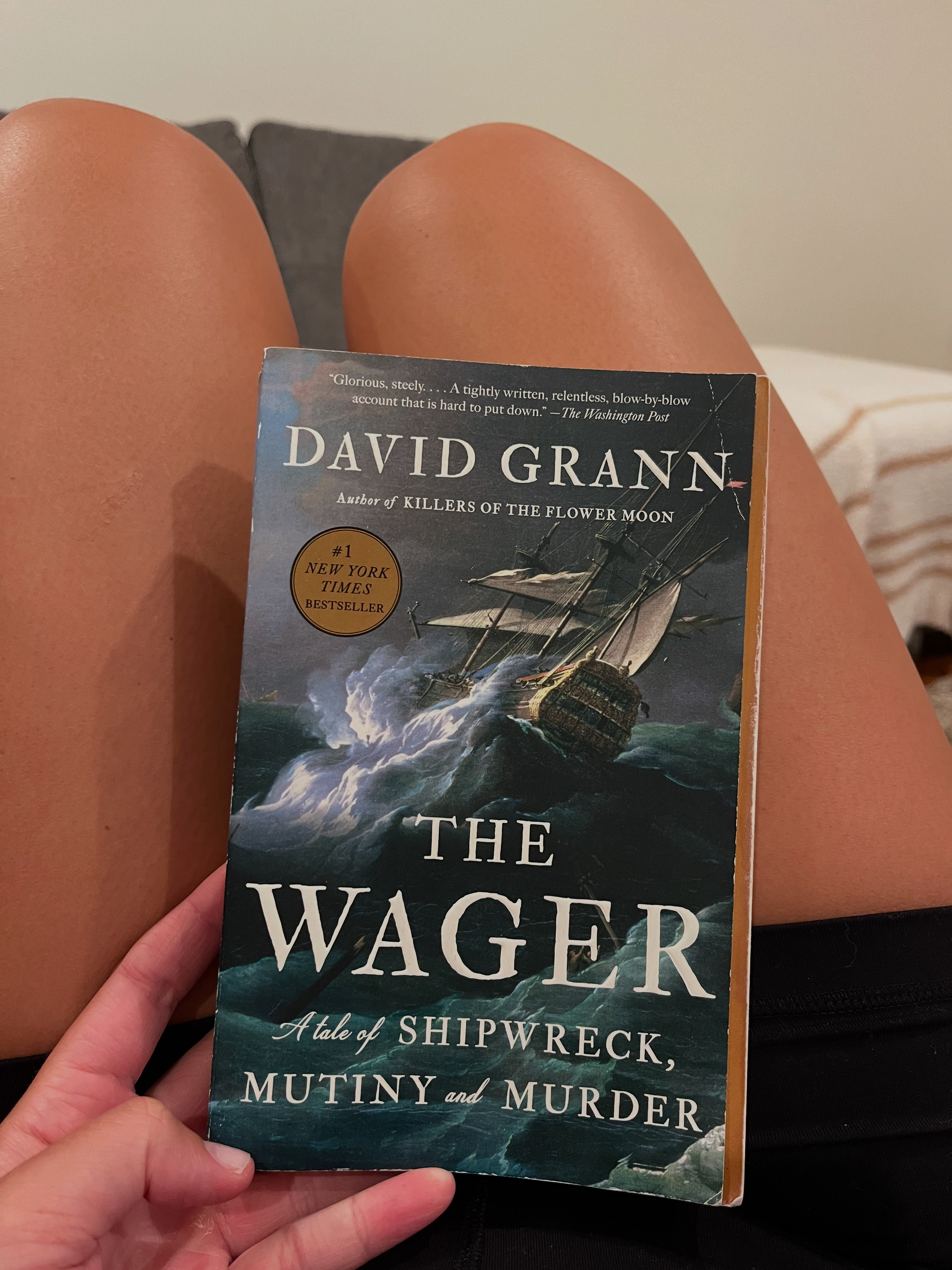
Many books I have read explore the themes of the desire to belong and insecurity of loneliness. They offer more extreme examples of how group thinking and group conformity is dangerous.
The three books I included on this topic (of many) :

The Secret History
Novel, Psychological Fiction
A classic novel that talks of a tight knit group of elite Dartmouth students that shows how the desire to belong is a destructive force.

Brutes
Suspense, coming-of-age story
A dark story of a group of teenagers in Florida that discusses obsession, and the “manic joys of girl hood. Brutes is a novel about the seemingly unbreakable bonds in the ‘we’ of young friendship’” (Catapult Book Review).

The Girls
Historical Fiction, Psychological Fiction
A story told from a middle-aged women, Evie, who looks back on her adolescence as she came in contact with a sect/cult, and shows the power of loneliness and identity. The book is loosely inspired by the Manson Family.
The books offer hyperbolic portrayals of feelings and obstacles faced in adolescence. As girls and boys find friends that have similar interests or due to shared activities, they fall into many different groups. The classic high school jocks, nerds, and musicians story we have seen in almost every coming-of-age movie. While the over dramatized grouping in movies may not be how it plays out, we all experienced the grouping of youth. This is a puzzle that might not be solved for some throughout all of K-12. In college, the process “starts over,” with people who are more set in their interests and selves are then forced into a new environment of new people.
Young people feel an intense desire to belong. There are so many outcomes and mistakes that can be made in the process of finding friends. The first is exclusion. People exclude others for a multitude of reasons. Exclusion can be a false form of status, which is arguably rooted in self-esteem issues. Exclusion creates a greater sense of group-identity, of “us” versus “them,” and it establishes a power over the people excluded. Intentional exclusion can represent setting a boundary over someone who does not deserve an invitation or to be a part of your life. But early on, exclusion can be rooted in less of a productive or kind way.
Beyond this, other friendship issues can arise from social climbing, the need to switch your friends based on their “hierarchy” or “status” in an environment (college, high-school, sports teams, etc.). This is based on external factors of popularity, and usually is done by someone who truly is seeking friends that look the best to them. These are two examples of natural negative outcomes of insecurity and immaturity, that stems from this idea of friend groups.
While these books discuss the less relatable or applicable ways that friend groups fall apart, they offer insight into group dynamics and real life behavior. The beauty in reading fictional stories, is you’re able to really dive into another person’s life, and then you are able to take that with you in your own experiences. Once you see the negatives of group think and identity as a group, you can see how that might be impacting your own life.
*my article on reading and how it can impact empathy
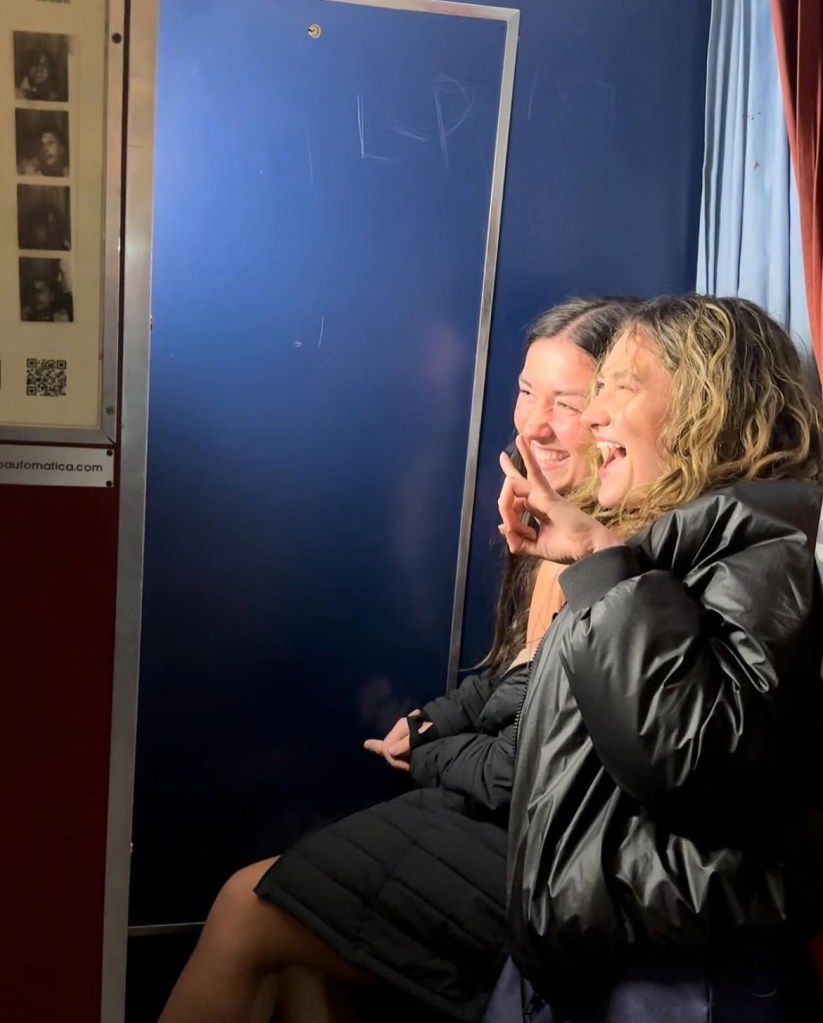
Friendship is a beautiful thing that comes from shared experiences, vulnerable conversations, and seeing other people for their most beautiful qualities while understanding their fundamental flaws. Friendship is something that has to be nurtured with intention, and I just think friend groups can go against that entirely.
This can harm you in covert ways, such as expending energy on friendships without shared values or allowing people into your life that may not be deserving of your time. There have been a few times where I was in a group with someone who I personally did not get along with and thought to myself, “have I ever really had a conversation with just them?”
Even from a practical perspective, group chats and group plans cause a lot of harm. You become out of control in terms of who you see and when, you don’t intentionally set aside time. The group plans become the norm, and you can become obligated and entitled. You just show up to the event without much intention behind it. This can create passive or complacent friendships, where you cannot sit and reflect on how these friendships might be shaping you. You may even find yourself realizing that you don’t even know some of the other people in that group, and you just see and interact with them in a group setting.
One piece of advice I heard was to notice how you feel after seeing a friend. How do you feel physically: do you feel drained? do you feel energized? How do you feel mentally: do you feel uplifted? Do you feel inspired or do you feel anxious? Notice what friends bring out the best version of yourself or push your best traits, and what friendships might make you focus on other traits that you might not like.
On the note of feeling entitled to plans: The concept of entitlement in a friend group is when someone believes they have a right over these friends and plans. They may accuse other friends of not including them on purpose, or demand more from their friends. While in some cases this may be the case, telling your friends that you deserve to be a part of their plans is another form of entitlement. If your friend genuinely wants to spend time with you, they will not exclude you, but once you enforce that idea on them, it may. Being in a friend group should not reserve or correspond with getting to know all plans and all things (in my opinion of course). There are exceptions to this, may I add briefly, that it is understandable to be upset if these plans were a) talked about with the friend beforehand or b) on a date you were already intending to see said friend. But again, this is all based on context.
People who felt excluded or entitled to plans may shame or make the friends feel bad for them. But that can build resentment and unease when making plans in general.
Another manifestation is jealousy towards the closeness of others. While this is typical if you are less secure, immature, or have another unresolved issue, it causes you to act a way you probably don’t want to. I have been guilty of all these things, and I know many people have too. It is a part of growing up, and it something I wish I had reflected on sooner. You can’t expect to always be introspective and aware, it is something that comes with age, journaling, therapy, and vulnerable conversations.
Groups can further create a sense of shared identity that can start to blur your own interests. In my experience, I found myself leaning more towards interests that I didn’t particularly want to but it allowed me to feel closer to my friends. This is not always a negative thing, but always relying on group plans might make you lose sight of what you truly enjoy.
As you go through time, without reflecting on how the time spent with others makes you feel, you can become complacent. Friend groups can be healthy, successful, and so so supportive. The importance is navigating them intentionally and fostering individual relationships.
The Pressure of Constant Connection
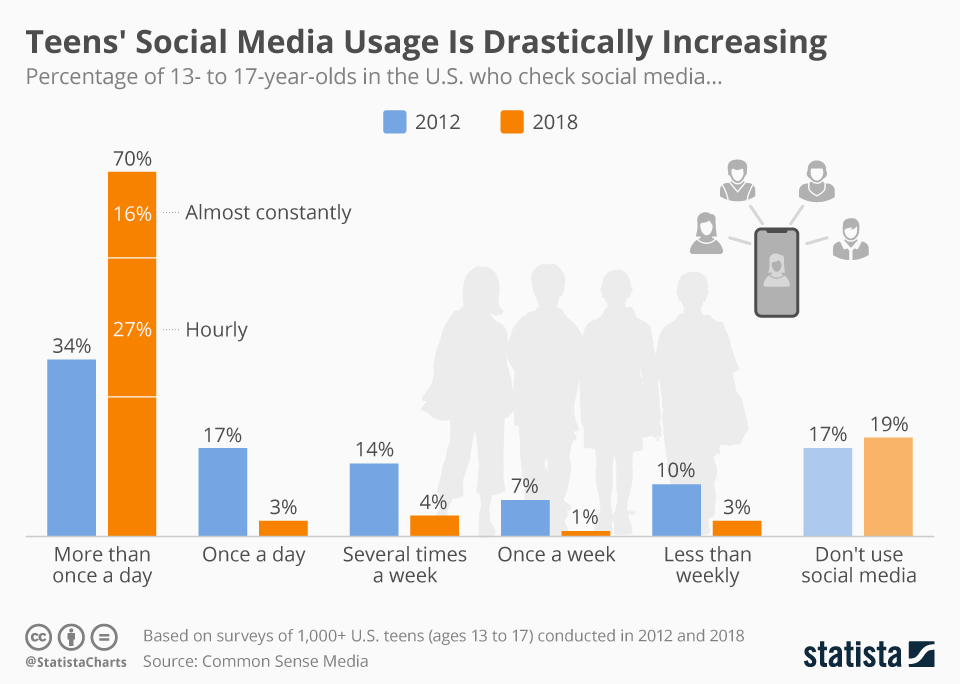
Friendship is changing due to technology. This is an obvious truth, but how should we know as young adults what the right levels of connection are? What are the expectations on long distance friends, and how do I show up for my friends virtually?
These questions are unanswered for me. We now maintain more connections than our parents ever had to. This can be attributed to access to constant communication. Social media is a form of social currency, with likes, comments, direct messages, or responding to stories. Our phones further create new technologies, such as the voice memo, that allow us to pass audio messages when we cannot reach each other on the phone. This is objectively a good thing; we are able to reach our friends like never before.
But does that mean that it can have negative consequences at the same time?
I believe the feeling of constant connection and the feeling of immediate reach of our friends can also be a limiting force. As we enter new chapters of life, or move to new places, we can fill our time with our digital connections. People no longer have to start fresh, or venture out to make friends. They have friends!
Is that a natural human response? Are we supposed to stay anchored to our same friends like this? I would argue, no. I feel so thankful to be able to contact my friends who don’t live in the same city as me, but I also strive to create new relationships in my new post-grad city. I believe it is a natural process that continues to teach me about the people that matter to me most, my identity, and my interests in relation to others.
Furthermore, connectivity with friends and family is a double edged sword. For emergencies, yes being able to reach our friends within minutes is great. It comes back to obligation, should we always be reachable?
I personally feel a sense of anxiety that I am not doing enough to stay connected to my hometown and college friends. I will feel like I haven’t spoken to them enough, or don’t know what is going on in their lives. But I feel as though this is unnatural. In reality, I haven’t lived close to some of my my friends for over 4 years. Playing phone tag or never quite aligning a time to speak over text can cause both of you to feel removed from each-other’s lives.
I don’t believe there is a right or wrong answer. It is just something to think about. Can conversations over text or social media really be equated to the closeness or intimacy of an in-person conversation?
A Recent Trend: “Protecting Your Peace”
One thing I have seen on social media, with the rise of health and wellness culture is the idea of “protecting your peace.” A lot of times, this is within the context of staying in on a weekend night, choosing to spend time alone or “choosing you.”
While I love that health and wellness is on the forefront of our generation (Gen Z), there is a difference in protecting your peace and just not being a great friend. There is an influx of sentiment around choosing to stay in and spending more time alone. This is not an inherently bad thing, because everyone has moments where they really do need to prioritize themselves. Spending time alone is also not a bad thing, it is just the context around not showing up for your friend or putting your friends needs above your own at times. There will be moments where you need to go out, or you need to spend time with a friend, because showing up matters!
You should go out with your friends on times when you might not want to, especially if you committed to it previously. Regularly flaking on your friends, even if it is for your health and well-being, is just being a bad friend. I think a good follow-up to a cancellation of plans is making effort to plan something else. Telling someone you can’t make something, but providing them the next available time you are free makes a big difference.
Ending on a Good Note
My intention is to not share right from wrong but to offer a perspective on how your decisions on friendship can be approached. I want to offer my experience to help you feel empowered to make your own decisions and draw your own conclusions. Today, a lot of people will look to social media to see other’s perspectives on situations, or will see other’s successful or unsuccessful outcomes. If we seek opinions or validation of our own decisions, we discredit our own faith in ourselves and our own ability to make decisions. I had so many thoughts on this topic I thought it could be a great space for a conversation on friendship. Online, there are countless videos and opinions that will tell you what decisions you can make. But I do believe that truly no one will understand your own circumstance or relationships.
Friends have gotten me through every chapter of my life. I am thankful for every friend I have had, even the ones I have lost.
works referenced
Holt-Lunstad, J. (2024). Social connection as a critical factor for mental and physical health: Evidence, trends, challenges, and future implications. World Psychiatry, 23(3), 312–332. https://doi.org/10.1002/wps.21224
Jebb, A. T., Tay, L., Diener, E., & Oishi, S. (2018). Happiness, income satiation and turning points around the world. Nature Human Behaviour, 2(1), 33–38. https://doi.org/10.1038/s41562-017-0277-0
TED. (2016, January 25). What makes a good life? Lessons from the longest study on happiness [Video]. YouTube. https://www.youtube.com/watch?v=8KkKuTCFvzI







 mfour
mfour 